Finding the perfect images for your projects can be challenging. I’ve spent countless hours searching for high-quality visuals that won’t break the bank. That’s why buying stock photos has become my go-to solution for all my creative and business needs.
Stock photography sites offer vast libraries of professional images ready for immediate use. Whether you’re designing a website, creating marketing materials, or publishing content, stock photos provide a legal and efficient way to enhance your work. I’ll show you how to navigate the best platforms, understand licensing options, and get the most value for your investment.
What Are Stock Photos and Why Buy Them?
Stock photos are professional, high-quality images created specifically for licensing and commercial use. These pre-shot photographs are available in vast online libraries where creators can purchase and download them for various projects. Unlike custom photography, stock photos are ready to use immediately after purchase.
When you buy stock photos, you’re essentially purchasing a license to use images that have already been created by photographers and made available through stock photo agencies. These images cover virtually every subject imaginable—from business professionals and nature scenes to abstract concepts and lifestyle moments.
The stock photo market offers several key advantages:
- Instant accessibility – Download and use images within minutes of purchase
- Cost-effectiveness – Significantly cheaper than hiring a professional photographer
- Variety – Millions of options across countless categories and styles
- Professional quality – High-resolution images shot by experienced photographers
- Legal security – Clear licensing terms that protect your usage
For businesses and creators with regular content needs, stock photos provide an efficient solution. Instead of organizing photo shoots or searching for free images with questionable licensing, buying stock photos ensures you have legal access to professional-quality visuals.
The stock photo industry has evolved dramatically, now offering everything from traditional corporate imagery to authentic lifestyle photography that doesn’t look staged. Many platforms now feature diverse collections representing various cultures, body types, ages, and situations—making it easier to find images that truly represent your audience.
Whether you need a single image for a blog post or hundreds of photos for a marketing campaign, stock photo platforms offer flexible purchasing options to match your needs and budget, from individual downloads to subscription plans.
Top Websites to Buy Stock Photos

When I’m looking to buy stock photos for my projects, I rely on several reputable platforms that offer extensive libraries of high-quality images. Each site has unique features and pricing models that cater to different needs and budgets. Here’s a breakdown of the top stock photo websites I recommend.
Shutterstock
Shutterstock stands as one of the largest stock photo marketplaces with over 400 million images, videos, and music tracks. Their vast library includes photos spanning virtually every category imaginable, making it my go-to resource for diverse project needs. Subscription plans start at $29 monthly for 10 downloads, though they frequently offer promotions for new customers. What sets Shutterstock apart is their powerful search functionality with AI-enhanced filters that help pinpoint exactly the style and content I need without endless scrolling.
Adobe Stock
Adobe Stock seamlessly integrates with Creative Cloud applications, making it the perfect choice for designers who already use Adobe products. Their library contains more than 300 million assets, including high-resolution stock photos and vector graphics. I appreciate their Standard license which covers most commercial uses without additional paperwork. Adobe Stock offers subscription plans beginning at $29.99 monthly for 10 images, with unused downloads rolling over for up to a month. Their curated collections save me significant time when working on themed projects.
iStock by Getty Images
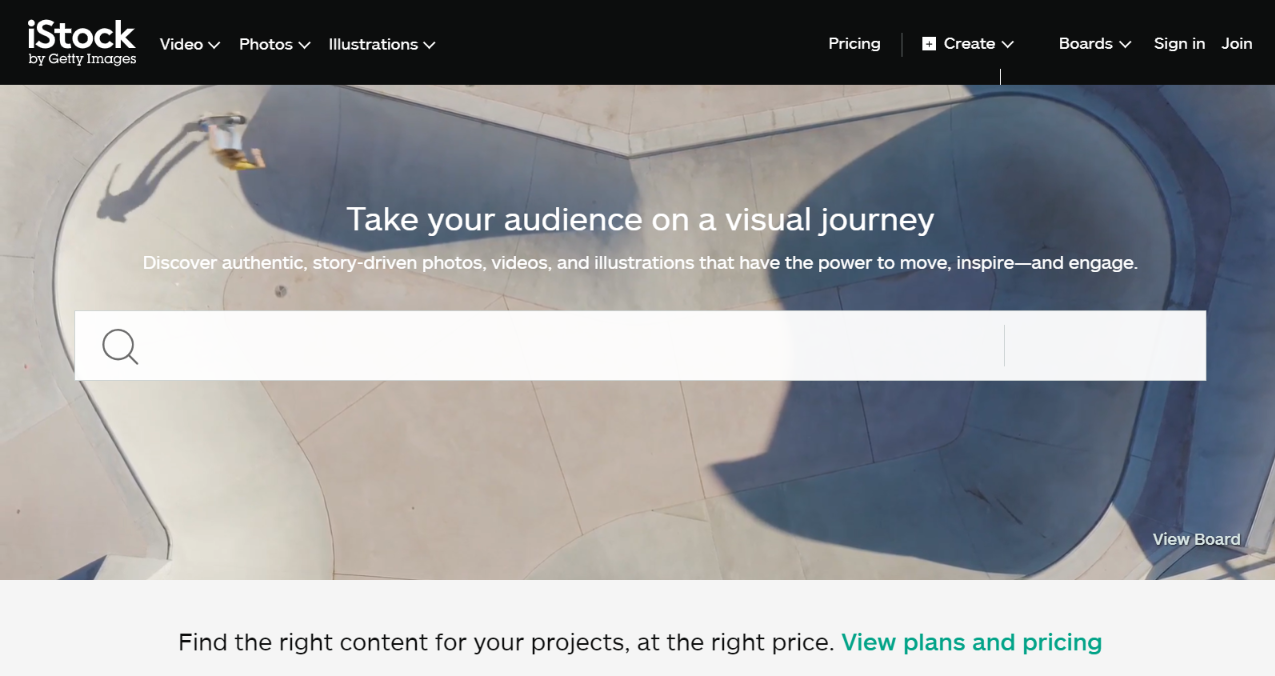
iStock delivers premium stock photos with two distinct collections: Essentials and Signature. The Essentials collection provides budget-friendly images perfect for everyday projects, while the Signature collection features exclusive, higher-quality stock photos you won’t find elsewhere. Their credit system offers flexibility—purchase credits in packs (starting at $12 per credit) and spend them as needed. For regular content needs, their subscription plans begin at $29 monthly for 10 downloads. I often turn to iStock when I need distinctive images that stand out from standard stock photo offerings.
Depositphotos
Depositphotos offers one of the most cost-effective ways to buy stock photos without sacrificing quality. Their collection includes over 230 million royalty-free images, videos, and vectors with straightforward licensing terms. Their on-demand plans start at just $9.99 for 10 images, making them ideal for small businesses with limited budgets. I find their intelligent search particularly helpful, with filters for color schemes, composition, and even negative space requirements. Depositphotos also features weekly free files and flexible subscription options that scale perfectly as my projects grow in scope and frequency.
Pricing Models for Stock Photography

Understanding pricing models is essential when you decide to buy stock photos for your projects. Stock photography websites offer various purchasing options to accommodate different budgets and usage needs. Let’s explore the common pricing structures available on most platforms.
Subscription Plans
Subscription plans are the most cost-effective way to buy stock photos if you need images regularly. These plans typically provide a monthly download allowance at a fixed price, significantly reducing the per-image cost. For example, Shutterstock offers plans starting at $29 per month for 10 images, while Adobe Stock provides subscriptions beginning at $29.99 for 10 downloads monthly. Many platforms offer tiered subscriptions—the more images you download per month, the cheaper each image becomes. Annual subscriptions often come with additional discounts compared to monthly billing, making them ideal for businesses with consistent image needs.
Pay-Per-Image Options
Pay-per-image options let you purchase stock photos without committing to a subscription. This model works through credit packs or on-demand purchases where you buy images individually. Credit packs typically offer bulk discounts—the more credits you purchase at once, the better value you get. For instance, iStock sells credit packs ranging from 1 to 300 credits, with single images costing between 1-3 credits depending on collection quality. This pricing model is perfect for occasional buyers or those with specific, limited image needs. Many platforms also offer enhanced search filters for pay-per-image customers to help find the perfect stock photos image quickly.
Extended Licenses
Extended licenses provide additional usage rights beyond what’s included in standard licenses when you buy stock photos. These specialized licenses allow for higher-value commercial applications such as merchandise production, template resale, or unlimited print runs. Pricing for extended licenses is typically higher than standard options, ranging from $80 to $500+ per image depending on the platform and specific usage rights granted. For example, Depositphotos charges approximately $80 for an extended license, while Shutterstock’s enhanced license starts at around $199. While more expensive, extended licenses offer crucial legal protection for businesses using stock photos in products they intend to sell or distribute widely, preventing potential copyright issues down the road.
How to Choose the Right Stock Photos for Your Needs

Selecting the perfect stock photos for your projects involves more than just finding visually appealing images. It requires a strategic approach to ensure the photos align with your brand, message, and intended use. Here’s how to make informed choices when you buy stock photos.
Quality Considerations
High-quality stock photos elevate your content’s professional appearance and effectiveness. When browsing stock photo websites, I recommend examining several technical aspects to ensure optimal quality:
- Resolution and size: Look for images with at least 300 DPI for print projects and appropriate pixel dimensions for your specific needs
- Composition: Select photos with balanced elements, proper framing, and clear focal points
- Lighting: Choose images with natural, well-distributed lighting that enhances the subject
- Editing quality: Avoid over-processed images with excessive filters or unnatural colors
- Technical sharpness: Inspect photos at 100% zoom to check for blur, noise, or pixelation
Many premium stock photos offer multiple size options, allowing you to download the appropriate resolution for your specific application. Remember that larger file sizes provide more flexibility for cropping and resizing while maintaining image integrity.
Relevance and Authenticity
The most impactful stock photos connect authentically with your audience and support your message. When you buy stock photos, consider these factors to ensure relevance:
- Target audience alignment: Select images that reflect your audience’s demographics, values, and experiences
- Brand consistency: Choose photos that match your established visual identity and tone
- Cultural sensitivity: Verify that images appropriately represent diverse groups without reinforcing stereotypes
- Contextual accuracy: Ensure the scenes, props, and environments in the photos make sense for your message
- Authenticity: Prioritize natural-looking stock photos that avoid obviously staged or artificial scenarios
I’ve found that modern stock photo libraries offer increasingly diverse and authentic imagery. Sites like Shutterstock and Adobe Stock have expanded their collections to include more genuine representations of various cultures, body types, abilities, and lifestyles. This makes it easier to find stock photos that create genuine connections with your audience while avoiding the generic, corporate feel that characterized early stock photography.
Legal Aspects of Buying Stock Photos
When you buy stock photos, understanding the legal framework that governs their use is crucial for avoiding costly infringement issues. The legal aspects of stock photography involve specific agreements between content creators, platforms, and end users that determine how images can be used commercially and creatively.
Understanding Licensing Terms
Stock photo licensing terms define exactly what you can and can’t do with the images you purchase. Each stock photo platform offers different licensing models that specify usage parameters. Standard licenses typically allow for basic usage in digital media, print publications, and marketing materials with certain impression limits. Extended licenses provide broader rights, including merchandise production, templates for resale, or unlimited print runs. When I purchase stock photos from sites like Shutterstock or Adobe Stock, I always check whether the license covers my specific usage needs, such as geographic restrictions, duration of use, and whether model releases are included for images featuring recognizable people.
Copyright and Usage Rights
Copyright protection automatically applies to stock photos from the moment they’re created, with photographers retaining ownership even after selling usage rights. When you buy stock photos, you’re purchasing a license to use the image, not ownership of the copyright itself. Usage rights vary significantly between platforms and license types. Editorial use permissions differ from commercial rights, with the former limited to informational content and prohibited from advertising or promotional contexts. Stock photos marked “editorial only” lack proper model or property releases, restricting their use to non-commercial purposes. I’ve learned that exceeding the scope of purchased rights—such as using an image beyond the allowed timeframe or in unauthorized contexts—can result in copyright infringement claims and financial penalties starting at $1,500 per violation under U.S. copyright law.
Tips for Getting the Most Value When Buying Stock Photos

Finding great stock photos at reasonable prices isn’t just about choosing the cheapest option. It’s about maximizing value while meeting your specific needs. Here are practical strategies I’ve developed to help you get more bang for your buck when purchasing stock photos.
Use Advanced Search Filters
Stock photo websites offer powerful search capabilities that many users underutilize. When looking to buy stock photos, take advantage of these filters:
- Orientation filters – Narrow results to landscape, portrait, or square formats that match your layout
- Color search – Find images with specific color palettes to complement your brand
- Negative filters – Exclude elements you don’t want using minus operators
- Similar image search – Upload reference images to find comparable options
- Freshness filters – Sort by recently added content for trending and contemporary visuals
Using these advanced filtering techniques saves time and helps you discover perfect images that might otherwise remain buried in vast libraries.
Consider Image Resolution Requirements
Paying for ultra-high resolution when you don’t need it wastes money. Before buying stock photos, determine the exact resolution requirements:
- Web content typically only requires 72dpi images at the specific dimensions needed
- Print materials demand higher resolutions (300dpi minimum)
- Billboard or large format projects need specialized high-resolution assets
Many stock photo sites offer variable pricing based on image size. By selecting only the resolution you actually need, you’ll often pay significantly less per download.
Leverage Subscription Timing
Timing your subscription purchase strategically maximizes value when buying cheap stock photos:
- Sign up when planning multiple projects that require numerous images
- Take advantage of seasonal promotions (Black Friday, end-of-quarter sales)
- Consider annual plans for consistent ongoing needs, which often discount per-image costs by 40-60%
- Cancel or pause subscriptions during slow periods to avoid paying for unused downloads
Most platforms allow you to download your full monthly allocation on the first day, making it possible to get all needed images quickly before canceling.
Explore Complementary Collections
Don’t limit yourself to a single stock photo provider. Different platforms excel in different visual categories:
- Shutterstock often has superior business and technology imagery
- Adobe Stock features exceptional creative and artistic photos
- iStock provides strong lifestyle and authentic cultural content
- Depositphotos offers competitive prices on common commercial concepts
I often maintain a primary subscription on one platform while making occasional purchases from others when I need specialized content. This hybrid approach ensures access to the widest range of stock photos without overpaying.
Build an Organized Image Library
Creating your own organized library of purchased stock photos prevents redundant purchases and maximizes each investment:
- Develop a consistent tagging system for downloaded images
- Create folders organized by theme, project, or visual style
- Maintain a spreadsheet tracking licensing details and usage rights
- Use image management software to catalog your growing collection
This organization system lets you quickly search your existing library before buying new stock photos, potentially saving hundreds of dollars in unnecessary purchases.
Alternatives to Paid Stock Photography
Free Stock Photo Websites
Free stock photo websites offer an excellent alternative to paid stock photos with extensive collections of high-quality images available at no cost. Platforms like Unsplash, Pexels, and Pixabay provide thousands of professional photos across numerous categories. I’ve found these sites particularly useful for blog posts and social media content where budget constraints may exist. Most free stock photos are available under Creative Commons Zero (CC0) licenses, allowing use without attribution in both personal and commercial projects. However, it’s important to verify the specific licensing terms as they vary between platforms. While free stock photos provide impressive quality, they typically offer less variety and fewer niche-specific images compared to paid stock photos sites.
Creative Commons Images
Creative Commons images represent a middle ground between free and paid stock photos. These images are shared under various Creative Commons licenses that permit reuse while protecting certain rights. Platforms like Flickr and Wikimedia Commons host millions of images with different license types ranging from CC0 (no restrictions) to licenses requiring attribution, non-commercial use only, or no derivative works. When using Creative Commons stock photos, I always check the specific license requirements to ensure compliance. For example, many CC images require attribution, which means crediting the original photographer in your project. The advantage of Creative Commons stock photos is the vast selection available, though finding high-resolution, professional-quality images can take more time than on curated stock photo sites.
Public Domain Resources
Public domain resources provide another valuable alternative to paid stock photos. Images in the public domain are free from copyright restrictions, either because their copyright has expired or they were released without copyright protection. Government agencies like NASA and the U.S. National Archives offer extensive collections of public domain images. Historical archives and museum collections also frequently digitize and release public domain works. These stock photos images often include historical photographs, classic artwork, and scientific imagery that can add unique value to projects. The main advantage of public domain stock photos is unrestricted usage rights, though the selection tends to focus more on historical and educational content rather than contemporary commercial imagery.
Creating Original Photography
Creating original photography eliminates the need to buy stock photos while providing completely unique visual content. With the improving quality of smartphone cameras, producing professional-looking images has become more accessible. I’ve found that investing in basic equipment like a tripod, some simple lighting, and a few photography tutorials can dramatically improve the quality of original photos. The primary advantages include total control over image style, exact alignment with brand aesthetics, and exclusive rights to the content. Additionally, original photography creates authentic representations of products, team members, and work environments that resonate more genuinely with audiences than stock imagery. While this approach requires more time and some initial investment, it often proves cost-effective for businesses with ongoing image needs compared to repeatedly purchasing stock photos.
Conclusion
Stock photography has transformed how we source visual content offering a balance of quality convenience and affordability. Whether you’re a blogger marketer or business owner these resources can elevate your projects without breaking the bank.
I’ve walked you through the best platforms pricing considerations and legal aspects to help you make informed decisions. Remember that exploring multiple options from paid subscription services to free alternatives can help you find the perfect images for your needs.
Ultimately investing in the right stock photos isn’t just about filling space—it’s about enhancing your message and connecting with your audience. With the knowledge from this guide you’re now equipped to navigate the stock photo landscape with confidence and creativity.